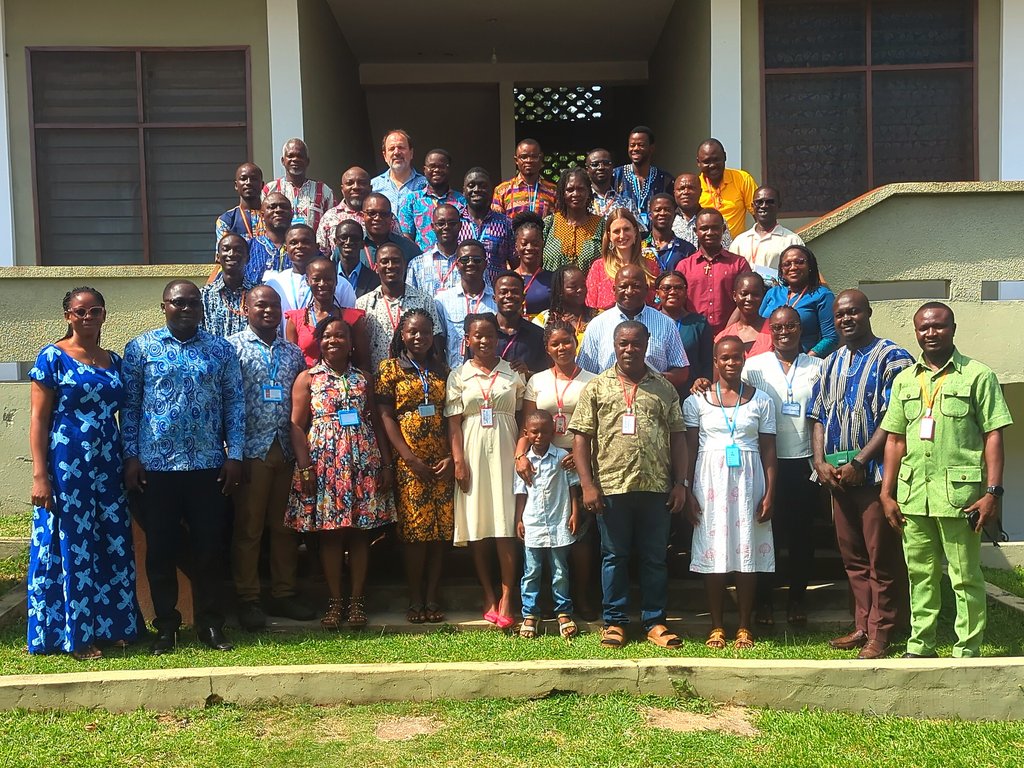
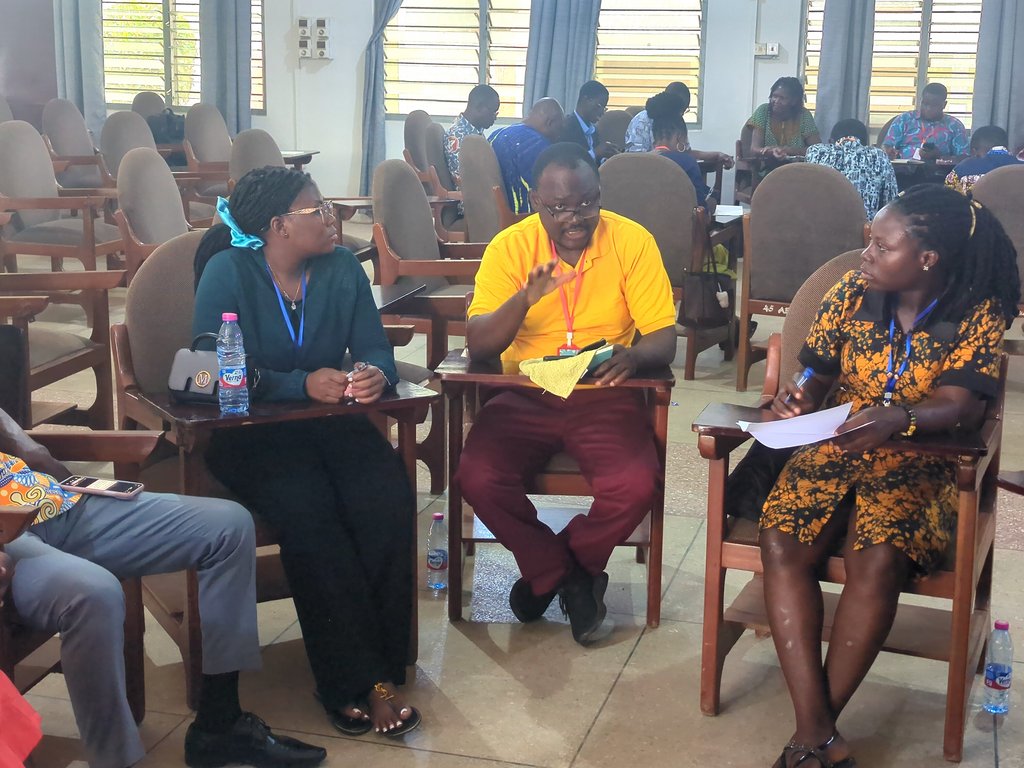
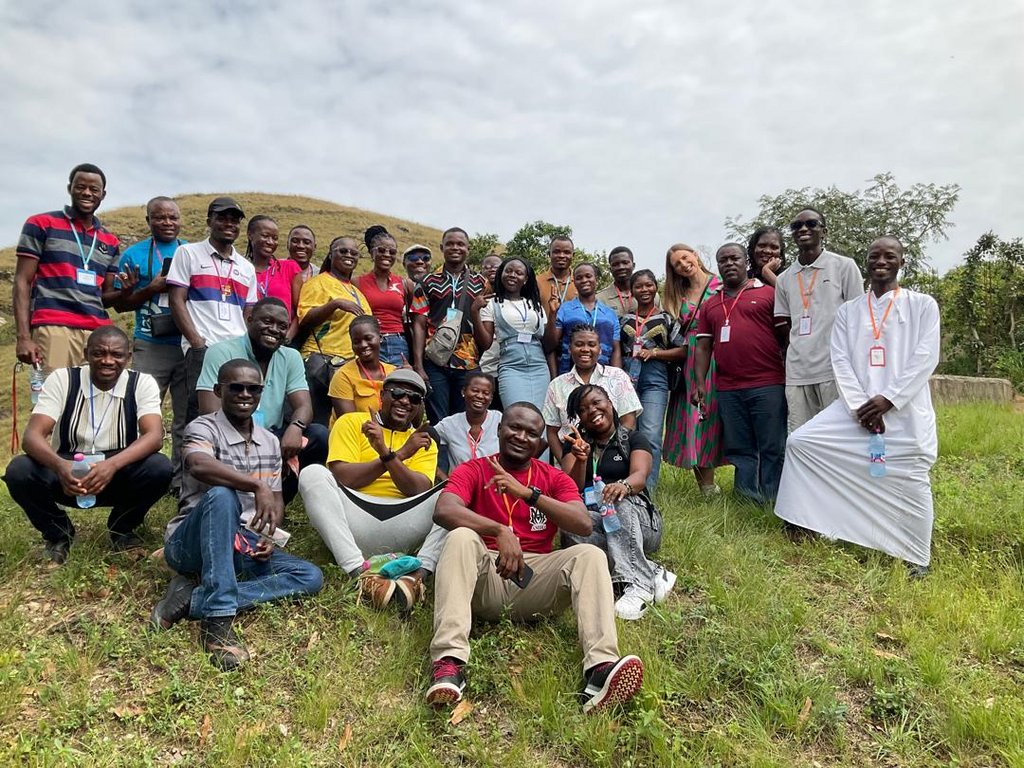
From November 12 to 15, 2026, participants gathered at the Bishop Konings Guest House in Ho, in Ghana’s Volta Region. The conference of the KAAD Association of Scholars of West Africa (KASWA) was titled “Beyond Free Access: Building Resilient Primary Healthcare through Community Ownership & Partnerships.” It was facilitated by Miriam Rossmerkel, KAAD’s Africa Program Officer.
KASWA brings together current “Sur-Place” scholars as well as KAAD alumni in Ghana. The network is divided into northern, central, and southern regional groups, each of which organizes its own meetings and seminars throughout the year. The joint conference brings together members from different parts of the country. In addition to the professional sessions, the program also includes the annual general meeting of KASWA Ghana.
This year’s conference focused on a health policy initiative that is already being implemented. Ghana officially launched the “Free Primary Healthcare” program in April 2026. It aims to remove financial barriers to accessing basic medical care and to shift the focus of healthcare from treating existing illnesses to prevention, early detection, and timely care.
By September, the program had been implemented in 135 districts across all 16 regions of the country. The number is expected to rise to 150 districts by the end of 2026; expansion to all districts in Ghana is planned by the end of 2028. This phased rollout provided the backdrop for the conference: Participants discussed the planned services and institutional requirements, as well as how the population can be involved in shaping and implementing health care.
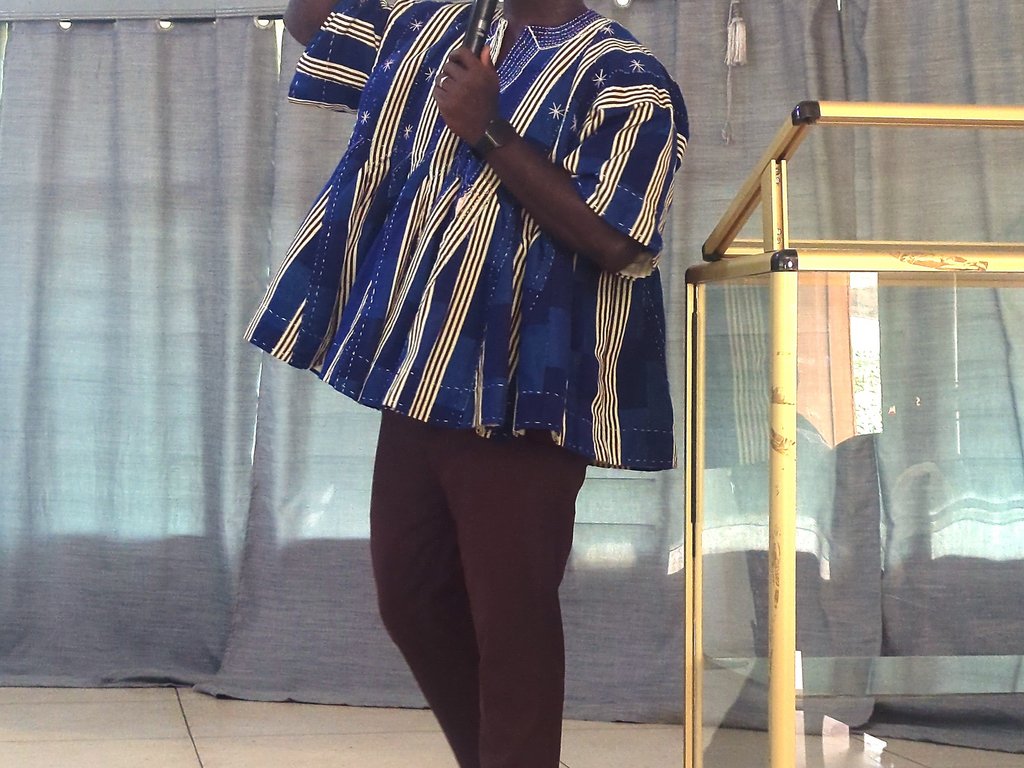
Stephen Nunoo, acting director of the Ho West District Health Service, presented the program, its implementation priorities, and the planned structure of care. Free basic care includes essential clinical services, screening for the early detection of noncommunicable diseases, and maternal and child health care. In addition, the program covers the treatment of malaria and respiratory infections, as well as initial medical care and stabilization in emergencies.
Services are provided at the local level: in facilities of the community-based health system—known as Community-based Health Planning and Services Compounds—as well as in health centers, polyclinics, health posts, and health kiosks. A Ghana Card or other valid proof of Ghanaian identity is sufficient for access.
Stephen Nunoo classified free primary care as part of a three-tiered healthcare system. If patients require further treatment at a district, regional, or teaching hospital, the national health insurance system remains responsible. The Ghana Medical Trust Fund, known as “Mahama Cares,” is intended to provide supplementary funding for specialized treatments, such as those for severe noncommunicable diseases. The “Free Primary Healthcare” program thus does not replace health insurance but rather supplements it at the level of community-based primary care.
Among the prerequisites discussed in the presentation were the staffing and technical equipment of health facilities, the availability of essential medications, quality assurance, and long-term financing. Stephen Nunoo advocated for a gradual expansion of the program, which must be continuously reviewed and evaluated. Monitoring and evaluation should provide feedback on the implementation and quality of the services offered.
The second keynote presentation focused on stakeholders outside the government health administration. Dr. Hubert Amu, a lecturer at the University of Health and Allied Sciences in Ho, distinguished three interconnected areas: community self-responsibility and public participation, the importance of universities and research institutions, and strategic partnerships.
Hubert Amu described community ownership as the active participation of the population in shaping and implementing health care. Accordingly, people in the communities should not merely be recipients of medical services, but should contribute their experiences and needs to the design of care. Other topics covered in his presentation included the population’s trust in the health care system, research on health care delivery structures, and the use of scientific findings to inform health policy decisions.
Hubert Amu called on KASWA members to identify specific and promising areas of the program where collaboration is possible. He cited research, advocacy, and collaboration with local communities as potential areas of focus. He placed particular emphasis on partnerships with academic institutions in Ghana and other African countries. KASWA members should consider which of these areas they can incorporate into their academic and professional work.
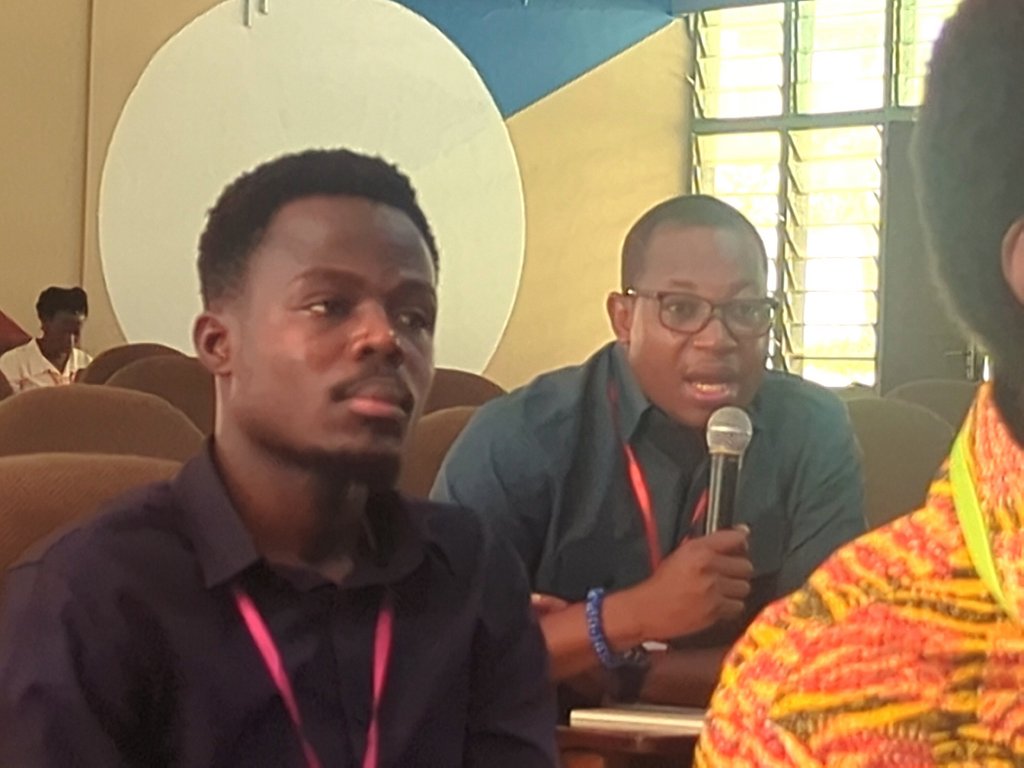
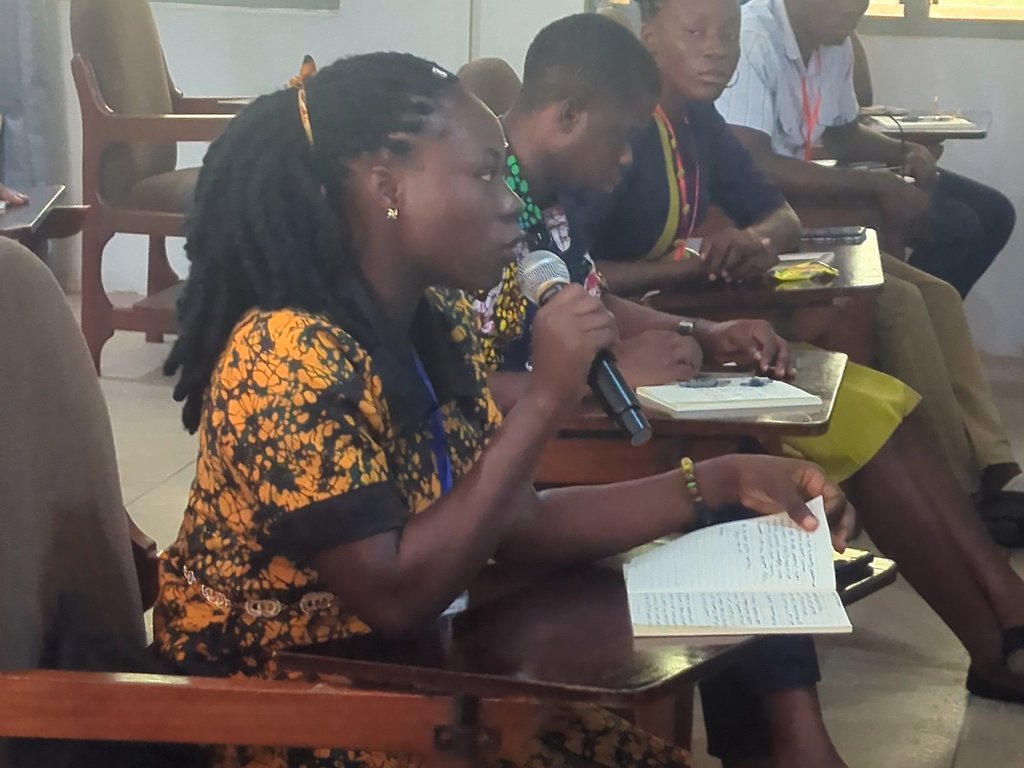
During the subsequent panel discussion and group work, participants exchanged views on the topics of the two keynote presentations, focusing in particular on how health policy measures can be reviewed and implemented in an inclusive manner.
The rest of the conference program included joint worship services, a trip to Amedzofe to visit Gemi Mountain, and the annual general meeting of KASWA Ghana. There, members discussed KASWA’s future work and new committees for academic exchange, media representation, mentorship, and social security for members. The willingness of members to contribute their professional expertise while also taking responsibility for the further development of their association is one of the particular strengths of the global KAAD network.
KASWA Seminar on Primary Health Care in Ghana
|
Afrika, Alumni, Aktuelles, Seminare
Since April 2026, Ghana has been gradually rolling out a program for free basic health care. At the conference of our West African alumni association, KASWA, in Ho, fifty current and former KAAD scholars discussed the conditions necessary for the program’s reliable implementation and how the general public, universities, and research institutions can be involved.