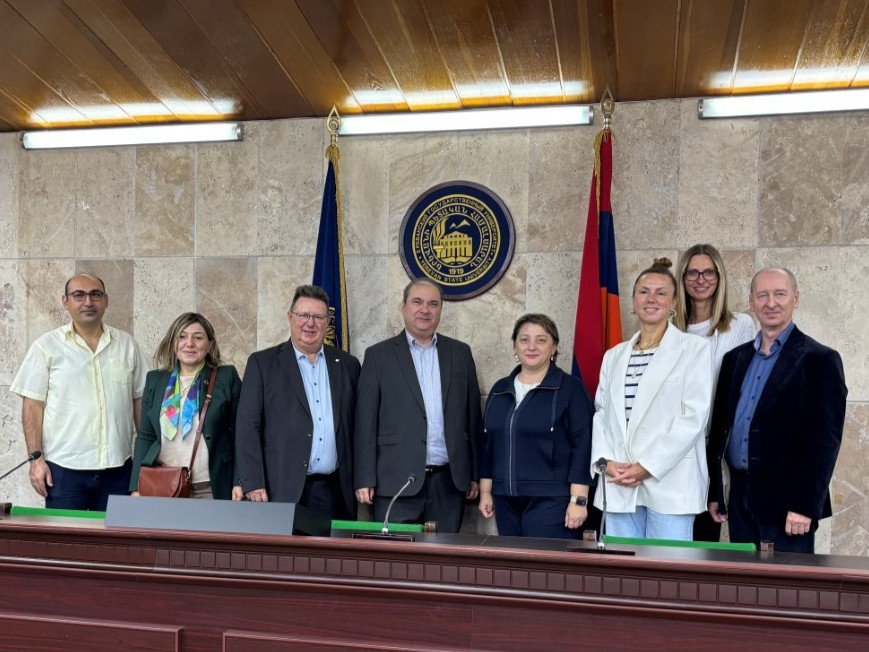
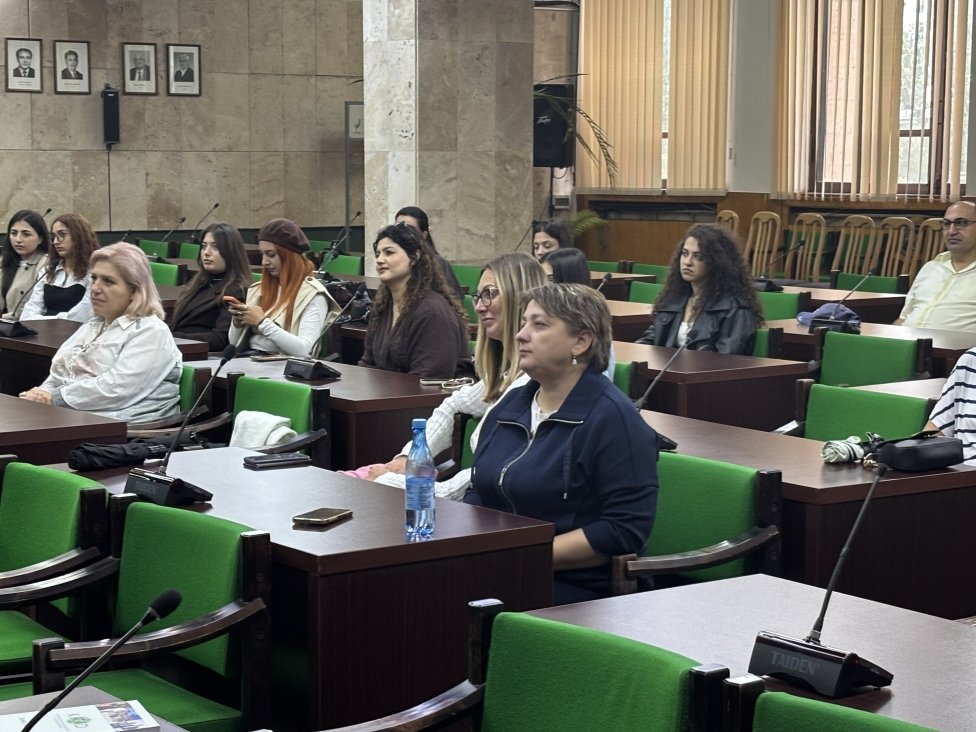
The KAAD Alumni Conference “Beyond Borders: Opportunities & Challenges for Early-Career Researchers from Eastern Europe” addressed the conditions of international academic mobility and the possibilities for cross-border collaboration. It took place from October 15 to 17, 2026, in Dilijan, Armenia, and brought together twenty early-career researchers from Armenia, Georgia, Bosnia and Herzegovina, Moldova, Slovakia, and Hungary. The participants work primarily in the humanities. The conference was organized by the Armenian Alumni Association.
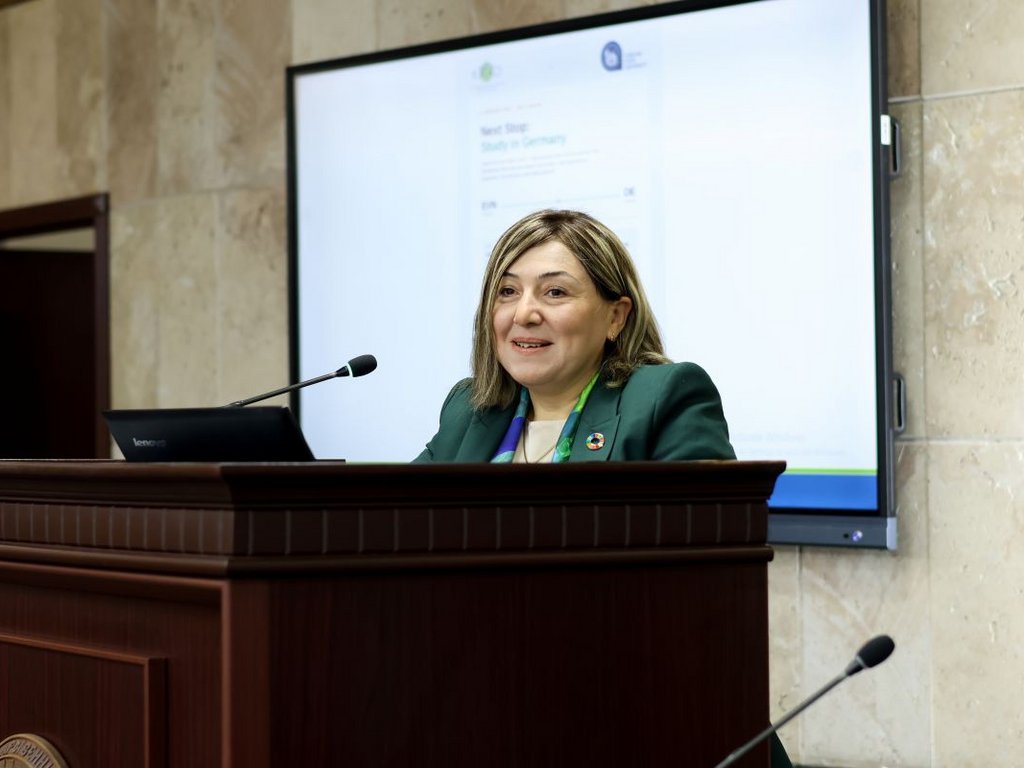
The presentations explored international university cooperation from both institutional and personal perspectives. The opening remarks were delivered by KAAD alumna Prof. Dr. Yelena Etaryan, head of the Department of German at Yerevan State W. Bryusov University, Markus Leimbach, Head of the Central, Southeastern, and Eastern Europe Division at KAAD, and KAAD alumna Ana Bakuradze, a member of the Georgian partner committee, spoke about the conference’s objectives and its connection to the KAAD alumni networks.
Yelena Etaryan then presented a quantitative study on her university’s cooperation with Heidelberg University. In her presentation, she also addressed the importance of university autonomy and academic freedom.
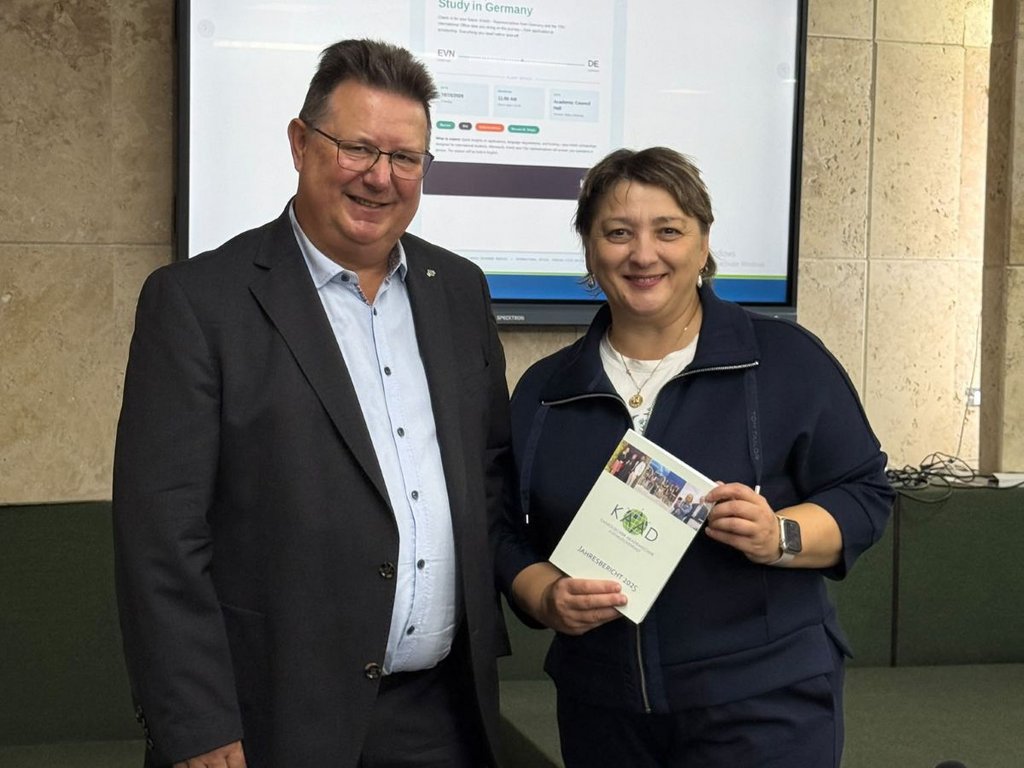
Contacts with universities and other institutions were also the focus of several meetings that took place prior to the conference. At an information day organized by alumni at Yerevan State University, Markus Leimbach presented KAAD’s scholarship program. He also held further discussions with the leadership of the State Pedagogical University and with the German Embassy.
KAAD alumna PD Dr. Anna Aleksanyan from the University of Graz had already gathered personal experiences of academic mobility through an online survey prior to the conference. In her presentation “Untold Stories Beyond Borders: Opportunities and Hidden Barriers in Academic Mobility across the KAAD Network,” she presented the results. For the survey, she had sent an online questionnaire to approximately seventy Armenian KAAD alumni. The study examined how alumni access and experience opportunities for academic mobility, scholarships, and networking, and under what social, institutional, and geopolitical conditions these opportunities lead to long-term academic prospects.
The initial analysis challenged the notion that returning to one’s home country is the sole measure of success in academic mobility. It is not only the return itself that is decisive, but also whether institutions in the home country can make use of the knowledge and skills acquired. Career plans could change if reintegration at the home university is unsuccessful; difficulties in re-entering the academic field could influence the decision to seek employment abroad.
Another topic was the role of alumni networks as a link between former grantees, the KAAD, and academic institutions. They can facilitate contacts, bring alumni together with universities and research institutions, and continue professional exchange beyond the end of the funding period.
Academic mobility also requires skills that develop through guided experiences before, during, and after a research stay. This includes the experience of being able to shape one’s own academic path and international contacts independently.
Another finding concerned the differences between academic cultures and research traditions. Expectations regarding scholarly work and supervision must be explicitly discussed so that different methodological and theoretical approaches can be reconciled. Finally, the discussion focused on the conditions under which grant recipients can openly address critical or personal experiences. To supplement surveys conducted by the funding organization, an open dialogue and independent feedback channels were proposed.
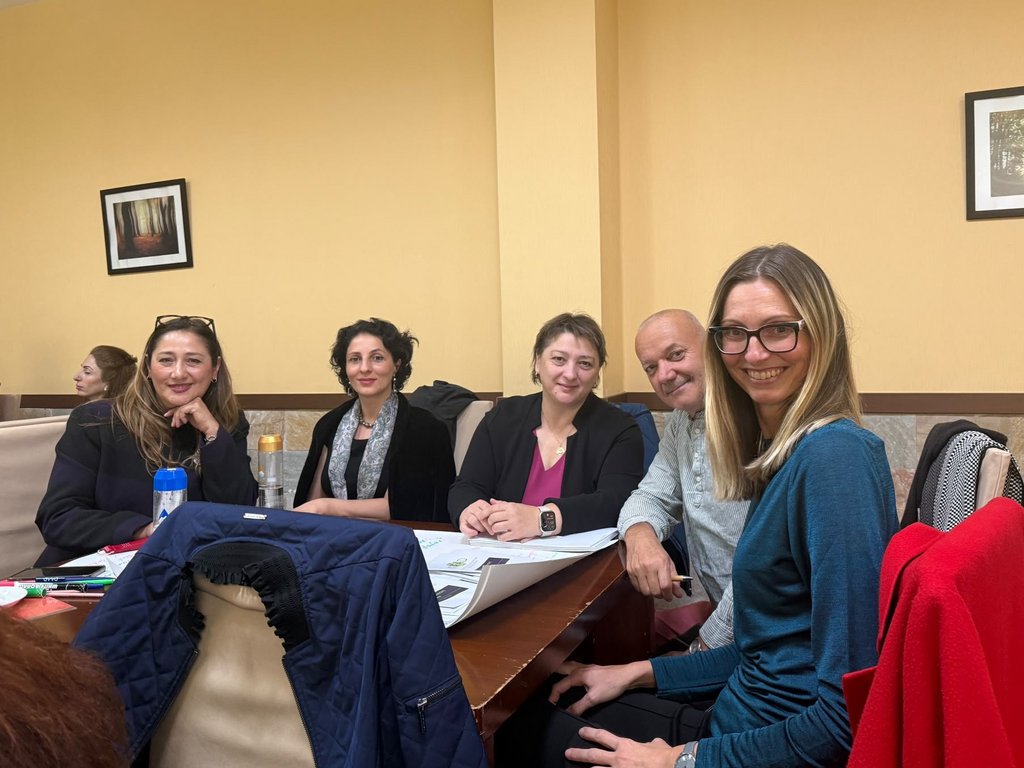
These findings served as the starting point for further work in a World Café. At four tables, participants addressed the institutional recognition of return and reintegration, continued networking after the end of funding, competencies for internationalization and self-efficacy, as well as academic cultures, research traditions, and academic advising.
In the small groups, participants reported that returnees do not always find support at their universities but are sometimes perceived as competition by established scholars. This can make re-entering the academic environment difficult and lead to frustration. Even methodological and theoretical knowledge acquired in Germany could not always be directly applied but had to be adapted to the research traditions and institutional conditions in the country of origin. The results from the small groups were then compiled in a plenary session.
On the second day of the conference, university faculty members reported on their working conditions. A group from Georgia, consisting of four KAAD alumnae and a member of the partner committee, shared their experiences. Dr. Margarit Matevosyan from the Armenian Ministry of Education, Science, Culture, and Sports also participated in the discussions on both days of the conference.
The feedback from university faculty members in the six participating countries converged on one point: In their experience, professional development requires that they be able to conduct research and publish scholarly work in addition to their teaching duties. KAAD funding enables them to undertake research stays during which they can focus on their own projects and publications.
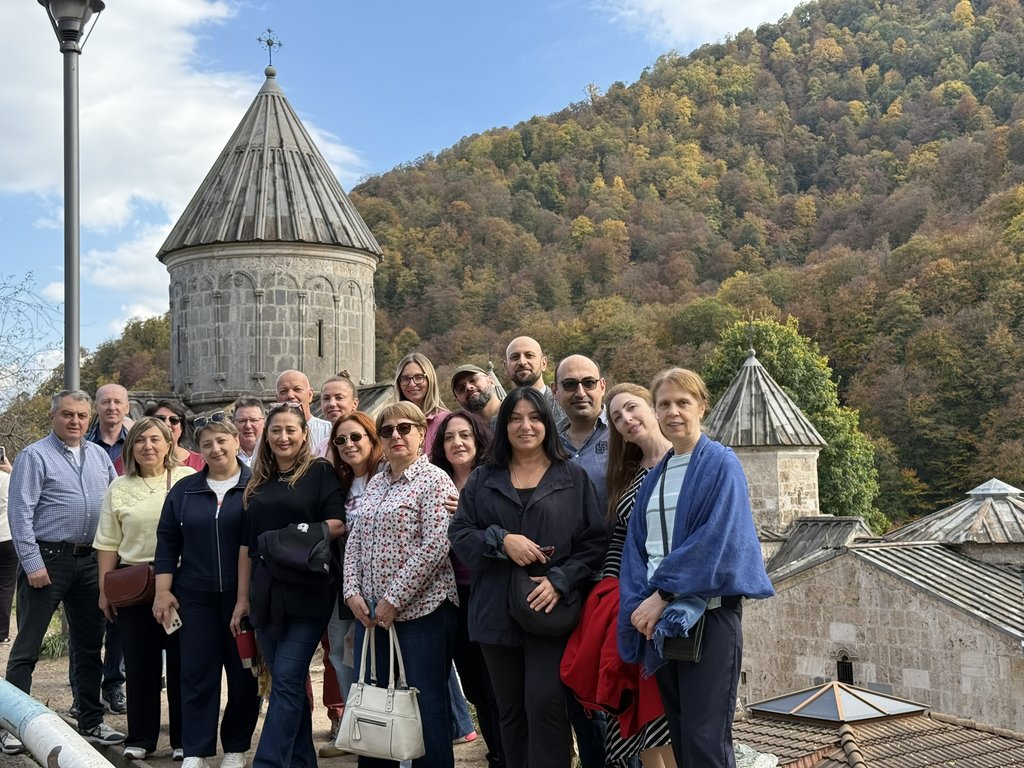
Prof. Dr. Vardan Aslanyan, a deacon of the Armenian Apostolic Church, KAAD alumnus, and member of the partner committee, provided spiritual guidance for the conference. During an excursion, he guided the group through the medieval Haghartsin Monastery in Dilijan National Park and explained the history of the site, which is known for its intricately carved Armenian cross-stones, the khachkars.
Beyond Borders: KAAD Alumni Conference in Armenia
|
Osteuropa, Alumni, Aktuelles, Seminare
Underfunded research systems, limited digital infrastructure, restricted access to scholarly literature, and restrictive visa requirements can hinder scientific exchange across national borders.