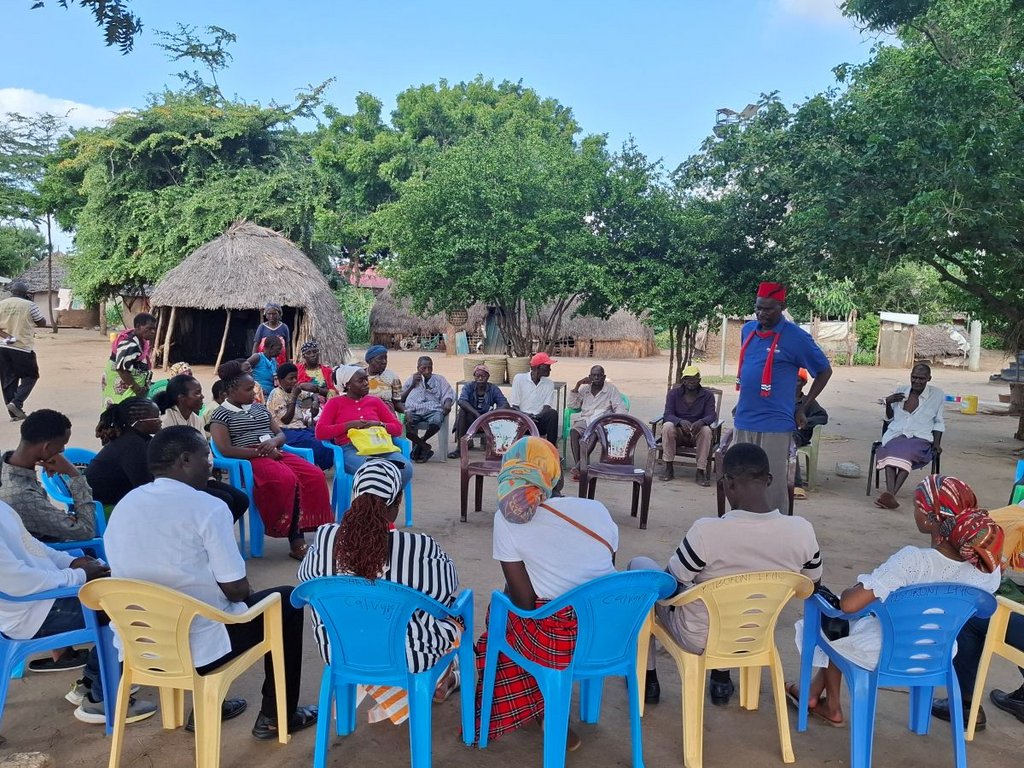
The northern coastal region of Kenya presents the Catholic Diocese of Malindi with unique pastoral and social challenges: Many parishes are widely scattered, infrastructure is weak, and poverty, unemployment, and recurring droughts shape the lives of many people. The alumni seminar of the KAAD alumni association “Association of Scholars from East Africa” (KASEA), which took place from June 25 to 28 in Malindi on the Kenyan coast, focused on the Church’s responses to these challenges. Under the title “Church at the Cutting Edge: Social and Pastoral Work in Marginalized Areas,” sixty current and former scholars gathered. Dr. Marko Kuhn, head of KAAD’s Africa Department, facilitated the seminar.
The alumni seminar was hosted by the Catholic Diocese of Malindi, which was founded in 2000 to bring church administration and pastoral care in the vast region closer to the parishes. Its territory extends from the coast into parts of the Tana River and Lamu administrative districts, where long distances and poor infrastructure make pastoral work challenging. At the same time, the diocese operates in a religiously diverse environment where Christian-Islamic dialogue is one of its central tasks.
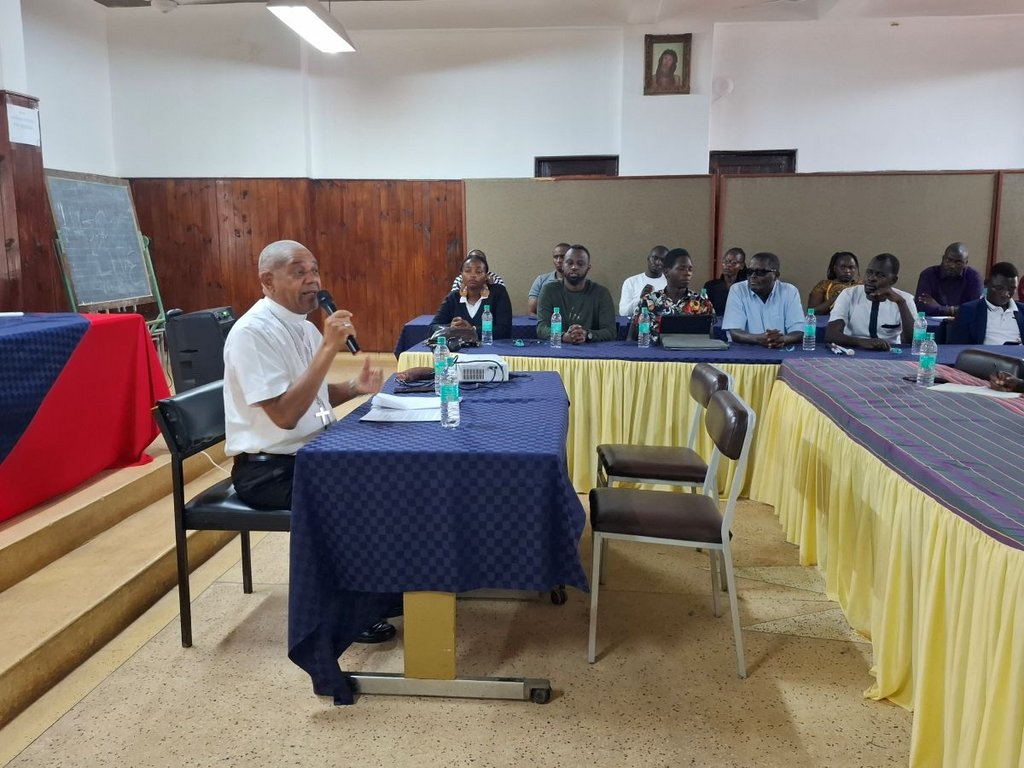
Bishop Willybard Kitogho Lagho, who was educated at the Pontifical Institute for Arabic and Islamic Studies and has been active in Christian-Islamic dialogue for many years, presented the diocese’s pastoral priorities. For interreligious dialogue, he emphasized, it is crucial to respect the dignity of every human being regardless of religious affiliation and not to allow personal religiosity to take a back seat to rules and external forms of religious practice. In this way, Christians and Muslims can better understand and respect one another in their respective faiths.
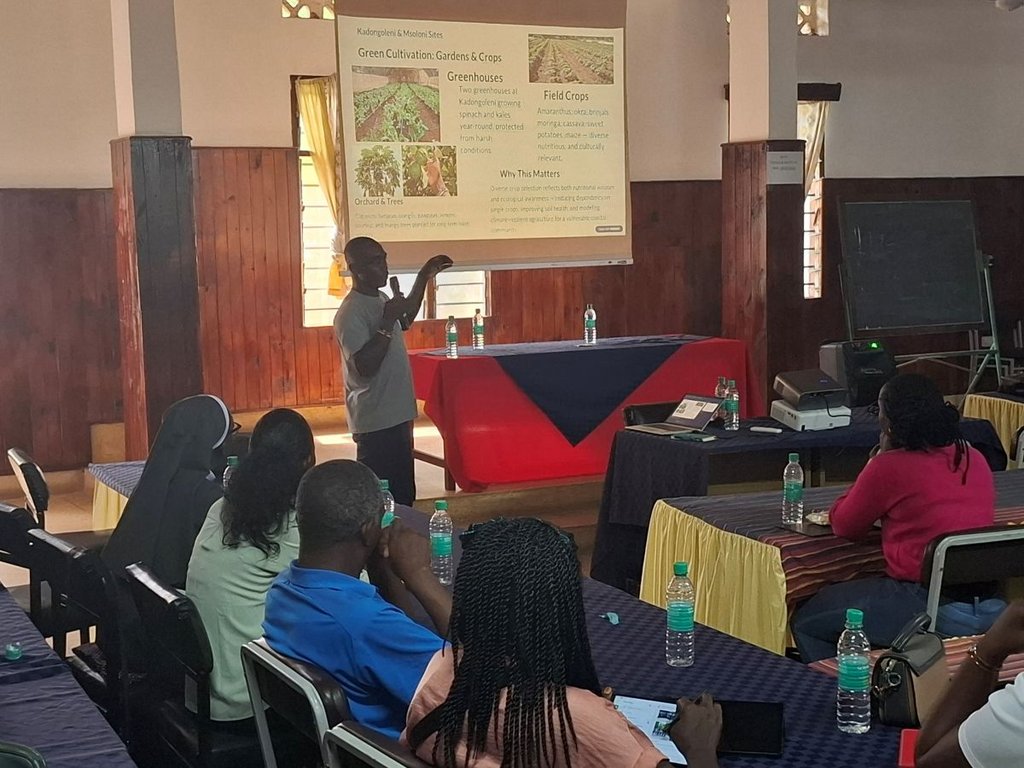
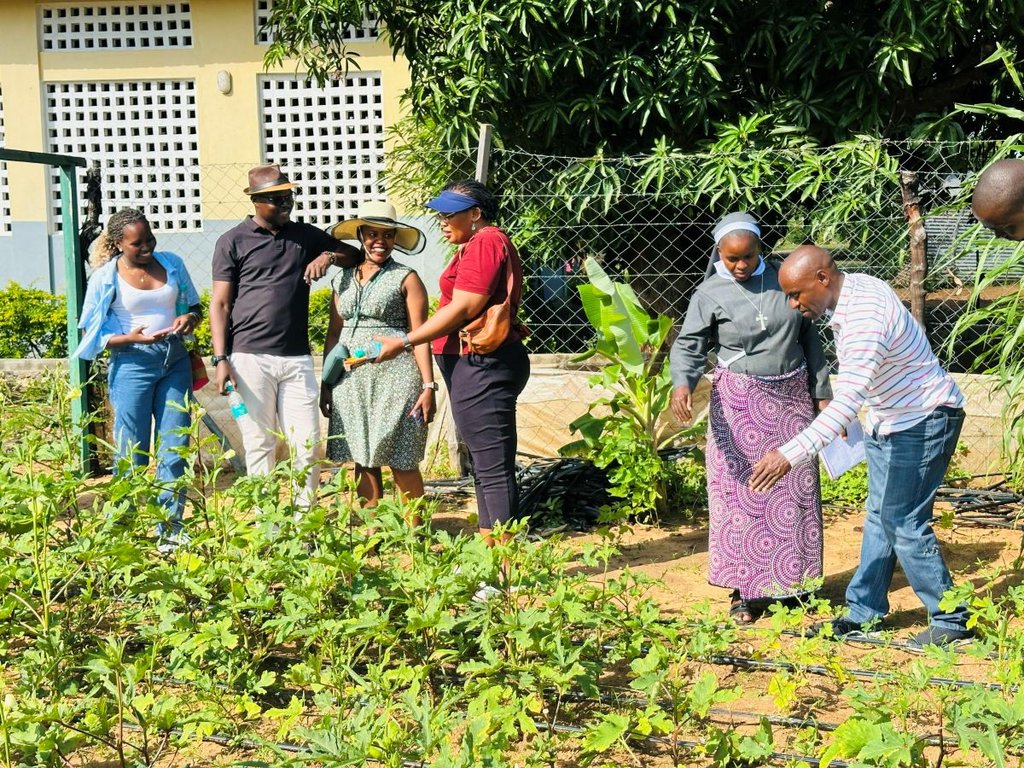
In addition to Christian-Islamic dialogue, the focus was on the social work of the Jesuits in the diocese. Stanislaus Kanyenje from the Jesuit parish of St. Charles Lwanga explained that this work extends far beyond pastoral ministry in the narrow sense. Sustainable horticulture projects are designed to open up income opportunities for people in poor neighborhoods and promote social participation. In addition, Stanislaus Kanyenje presented new approaches to almsgiving and charity, in which donors and recipients jointly develop local aid projects.
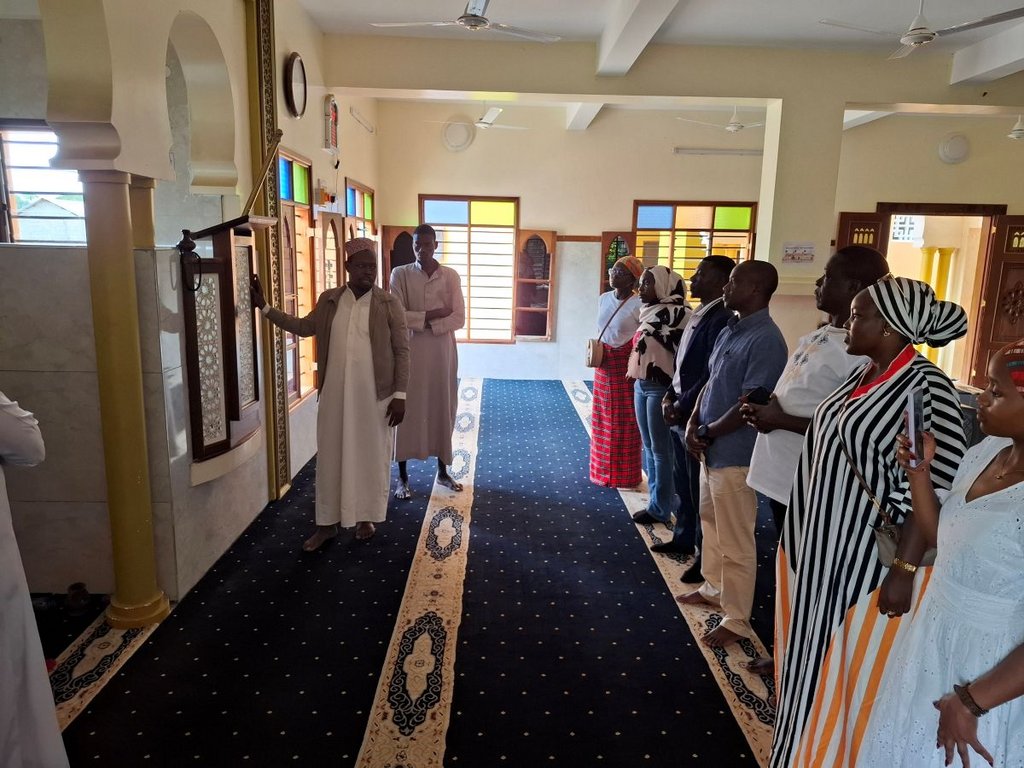
In the afternoon, the seminar’s topics were explored in greater depth during several field trips. During a visit to the Omar bin Khattab Mosque, the group engaged in dialogue with Muslim clerics. The imam explained the various areas and functions of the mosque as well as the associated theological concepts. Another focus of the excursions was on social institutions in Malindi. At the city’s cultural center, participants learned about the situation of women accused of witchcraft in their communities. The center includes a shelter where affected women can find refuge when their physical safety or lives are threatened. The cultural center is jointly supported by representatives of traditional African religions and the Catholic Diocese of Malindi.
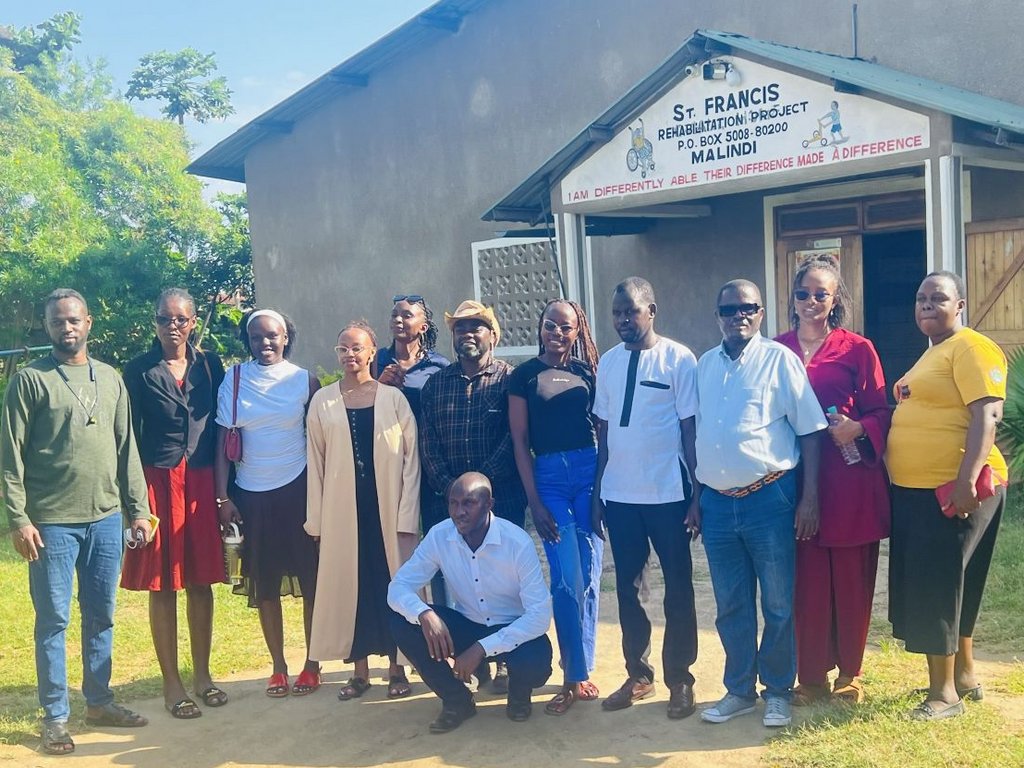
Other visits included a horticultural project run by the Jesuit parish of St. Charles Lwanga, as well as facilities that care for children, people with disabilities, and young victims of sexual abuse. On the third day of the seminar, the participants visited the Malindi Marine National Park and then celebrated the Eucharist at the Pastoral Center together with KASEA’s two spiritual advisors, Fr. Peter Kaigua and Fr. Ben Opiyo.
The seminar also served to present the work of the regional KASEA groups from Kenya, Uganda, and Tanzania, as well as the latest issue of the KASEA newsletter. In it, KASEA members explore social and pastoral work in marginalized contexts from various professional and disciplinary perspectives. The concluding reflections in the issue examine how the Church’s work can strengthen the dignity and sense of belonging of people who are easily overlooked by society.
Church Work in Marginalized Regions: KASEA Alumni Seminar in Malindi
|
Afrika, Alumni, Aktuelles, Seminare
This year's KASEA seminar focused on pastoral and social challenges and Christian-Islamic dialogue on the Kenyan coast.