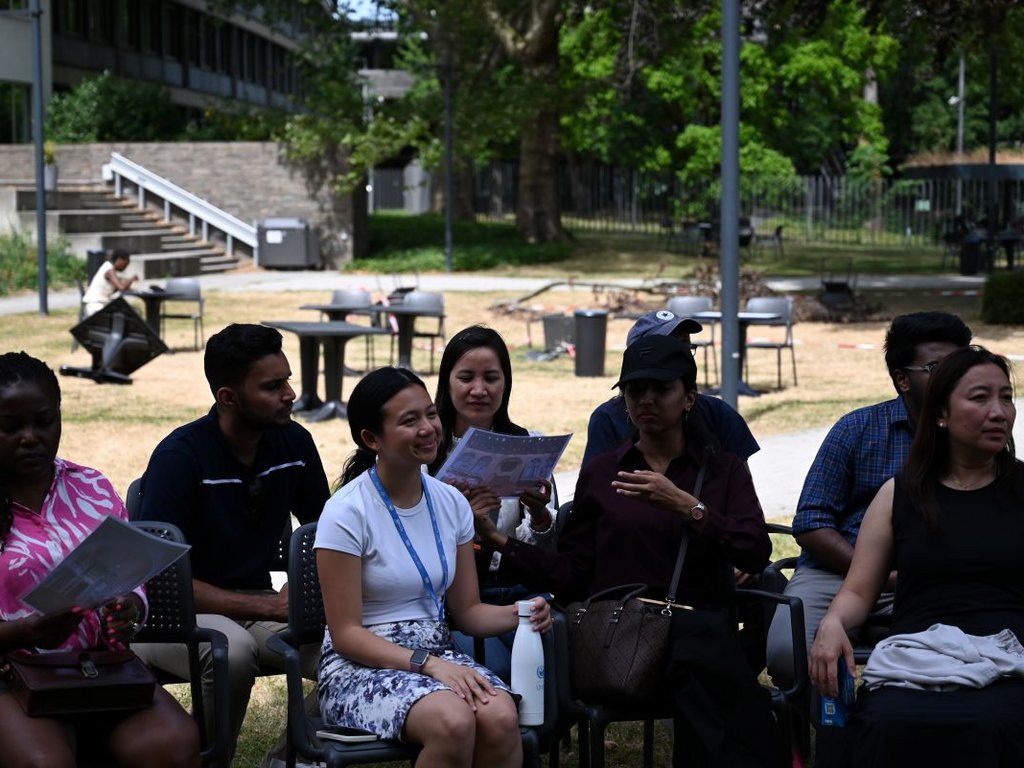
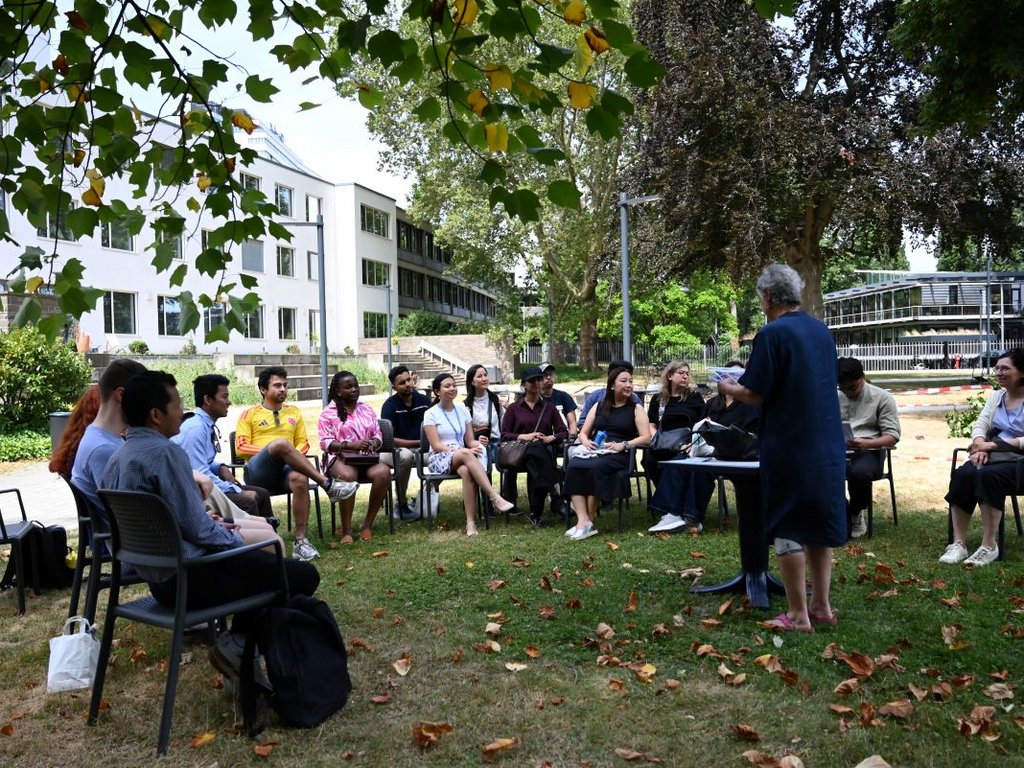
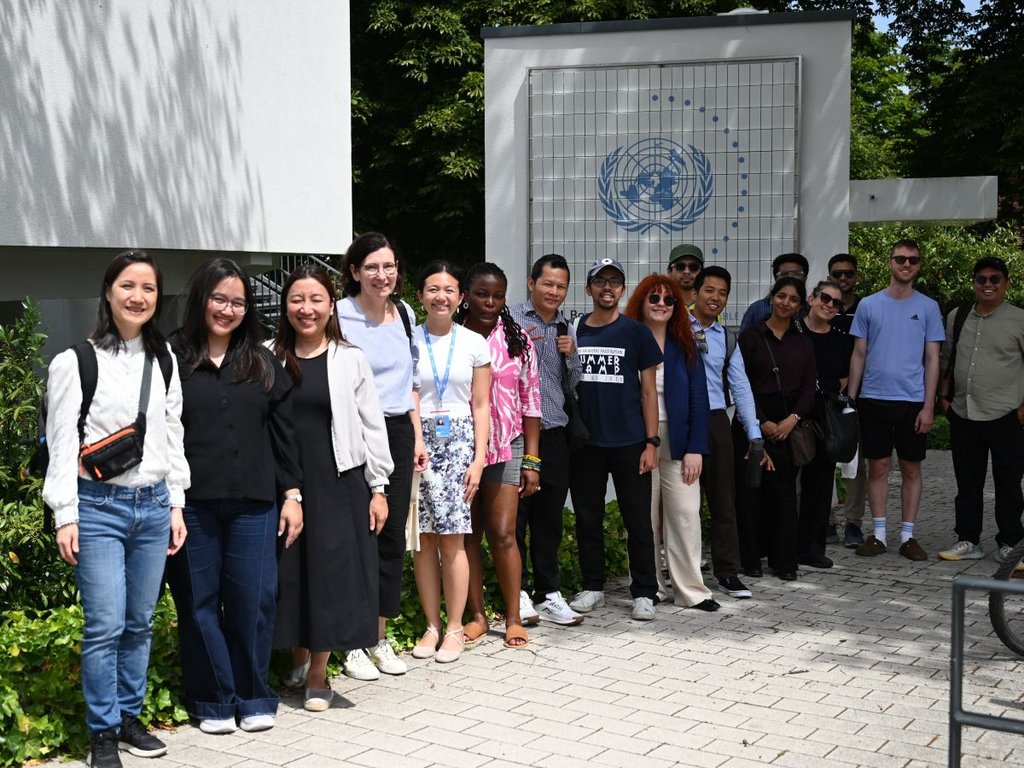
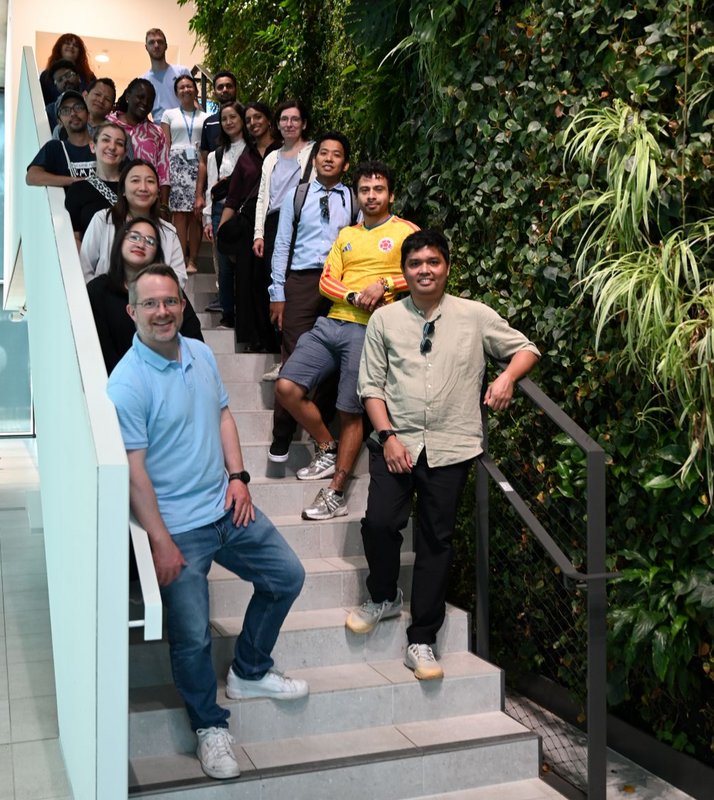
From July 6 to 9, 2026, twelve KAAD scholars, two AMP grantees, and one Cusanuswerk scholars gathered at Haus Venusberg in Bonn to explore indigenous knowledge, climate justice, and political participation rights. The seminar was led by Dr. Anselm Feldmann, Head of the Asia Division, and facilitated by Julia Breker, a program officer in the Asia Division. Expert perspectives from the Philippines and Indonesia formed the basis for work on case studies from India, Indonesia, and the Democratic Republic of the Congo.
The session began with a joint exploration of the concepts of “indigenous knowledge” and “climate change.” In a brainstorming session, the participants compiled different conceptions of indigenous knowledge and climate change. The focus was not on indigenous knowledge as a fixed and uniform body of knowledge, but rather on diverse experiences, practices, and relationships with the respective natural and social environments. The subsequent expert presentations explored in greater depth how scientific and indigenous forms of knowledge can interact and what political conditions must be taken into account in this context.
Drawing on experiences from the Philippines, Dr. Karminn C. D. Daytec Yangot, a lecturer in anthropology at the University of the Philippines in Baguio, explored the relationship between climate justice and indigenous justice. The speaker, who joined the event via video link, is herself a member of the Igorot indigenous community. She spoke out against both the romanticization of indigenous communities and the notion of a uniform “indigenous knowledge.” Both perspectives, she argued, fail to do justice to the diversity of indigenous ways of life and the varying political and social conditions. Furthermore, she discussed the relationship between external climate policy measures and the rights of the affected communities. The responsibility for climate protection must not be shifted onto indigenous populations. Rather, research and climate policy must take their participation and decision-making authority into account. In this context, she advocated for collaborative forms of research and for making funds from climate compensation directly accessible to the affected communities.
Prof. Dr. Kristina Großmann from the University of Bonn presented perspectives from her research in Kalimantan under the title “Pluralistic Sustainability and Indigenous Knowledge: Insights from Indonesia.” Using specific case studies, she described misunderstandings and conflicts that can arise when external organizations view indigenous communities as homogeneous groups and fail to adequately account for diverse local practices in managing natural resources. In these contexts, sustainability did not appear as a uniform concept but was linked to various conceptions of land, community, use, and responsibility. Building on this, she explained approaches from political ontology. These focus on the diverse relationships between people, natural resources, and social orders, as well as on the political power relations in which these relationships are embedded. From this perspective, local practices are examined within their respective social and political contexts.
Subsequently, the participants applied the previously discussed questions to specific case studies in three working groups. They documented their analyses and recommendations for political action in policy briefs.
Using the example of the Biligiri Rangaswamy Temple Tiger Reserve, a forested wildlife sanctuary in the Indian state of Karnataka, the first group examined the Soliga’s traditional fire management practices. This indigenous community lives in and around the reserve and uses controlled burns as part of their traditional forest management practices. The group addressed the negative consequences of government bans on this practice, which include, among other things, the increased risk of large-scale wildfires due to the absence of small-scale, controlled burns. Their recommendations focused on legal recognition of the practice, scientifically monitored pilot projects, and joint decision-making structures between government agencies and local communities.
The second working group focused on Lusanga, a town in the Democratic Republic of the Congo shaped by the colonial plantation economy. Since grantees from other regional offices also participated in the seminar, an example from outside Asia was deliberately included. The comparison was intended to identify potential differences between the regional contexts. The group examined the connection between land expropriation, the plantation economy, and current environmental damage, taking into account both the rights of local and indigenous communities and the restoration of soils and biodiversity. The approaches discussed included community-organized reforestation, locally traditional forms of mixed cropping, and the work of the Cercle d’Art des Travailleurs de Plantation Congolaise (CATPC), an art cooperative based in Lusanga and composed of Congolese plantation workers. The cooperative uses revenue from its artistic work to repurchase former plantation land and restore it ecologically.
The third group examined local practices for preventing landslides, using the village of Gununglurah in the Banyumas administrative district of the Indonesian province of Central Java as a case study. These included traditional terracing, agricultural calendars, community warning systems, as well as bamboo plantations and forms of forest management to stabilize vulnerable slopes. At the same time, the group noted that traditional indicators of weather patterns cannot always be reliably interpreted under changing climatic conditions. It therefore recommended combining local and scientific knowledge, promoting community-based climate adaptation measures, and involving representatives of local communities in environmental planning.
The drafting of the three policy briefs was followed by their presentation in the plenary session. The papers served to present the results of the case studies to policymakers and translate them into concrete recommendations for action. The concluding discussion also addressed the question of how the insights gained during the seminar could be communicated beyond the event itself.
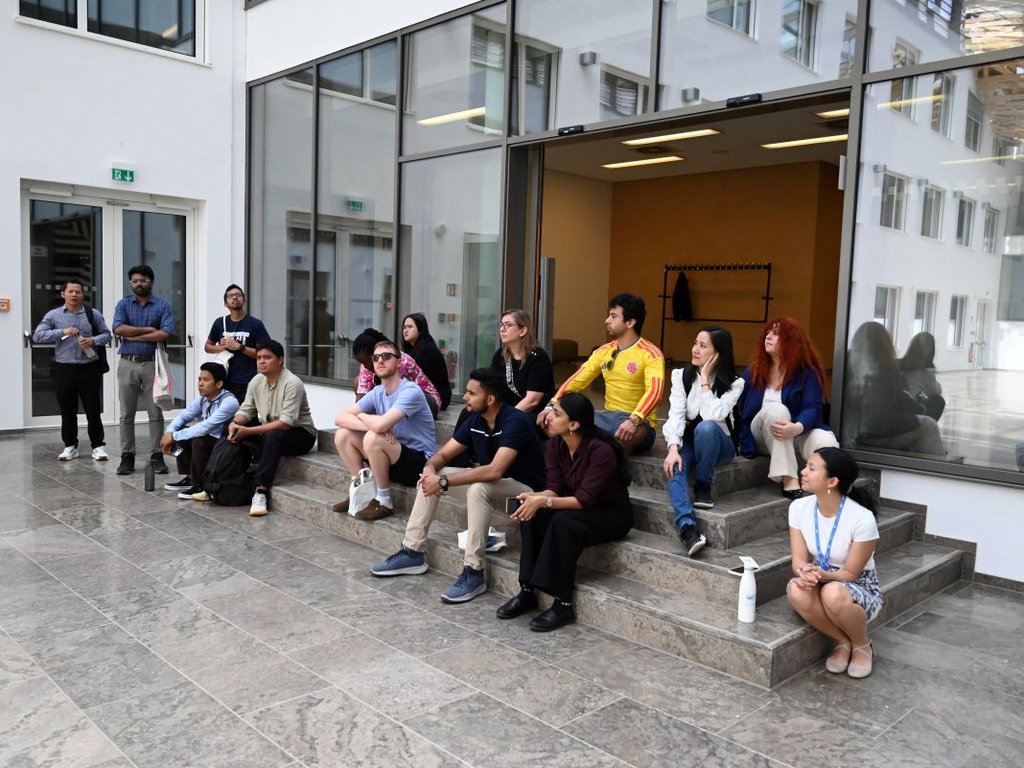
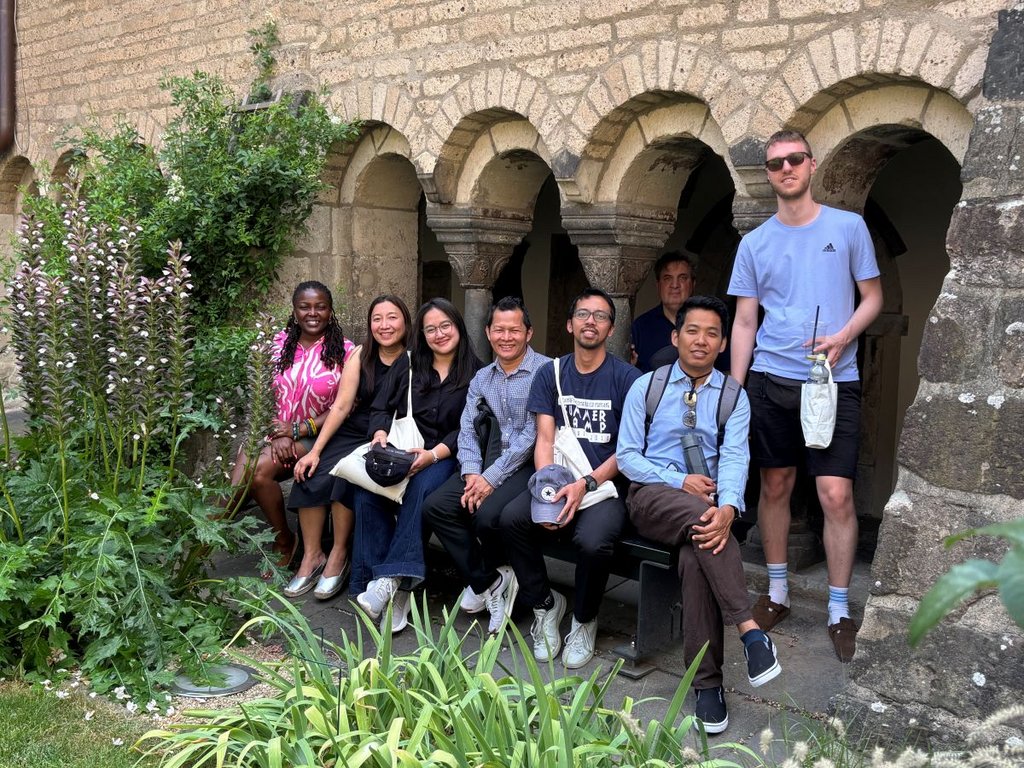
In addition to the academic sessions, the program included a guided tour focusing on the city’s history through Bonn’s former government district, which also led to the UN Campus. The tour examined Bonn’s development from a seat of government to a hub for international institutions. Another visit was made to Bonn Cathedral and its cloister.
Father Prof. Dr. Thomas Eggensperger, OP, provided spiritual guidance for the seminar. Morning meditations, the joint preparation and celebration of Mass, and other spiritual reflections accompanied the seminar days. The spiritual sessions addressed the responsibility for the preservation of creation and the stewardship of natural resources.
KAAD Seminar: Climate Justice and Indigenous Knowledge in Asia
|
Asien, Aktuelles, Seminare
Indigenous knowledge regarding how to address the impacts of climate change, as well as the rights and political participation of indigenous communities, were the focus of the regional seminar.