And it raises the current question of whether alcohol consumption in Germany is actually normal or, above all, socially normalized.
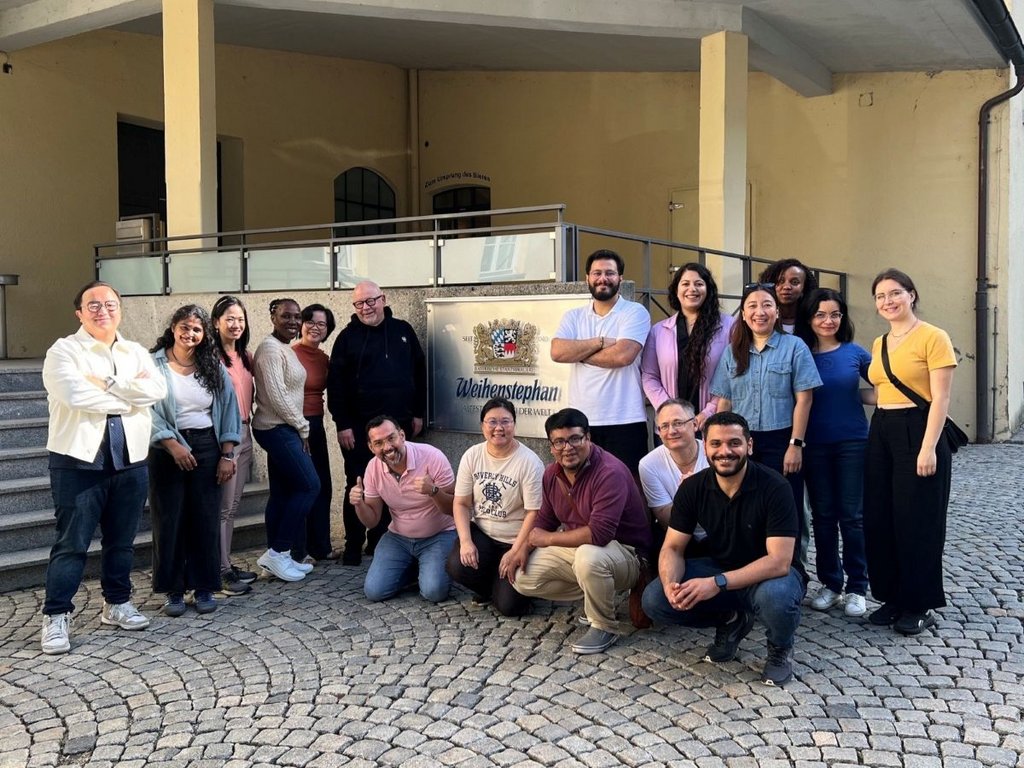
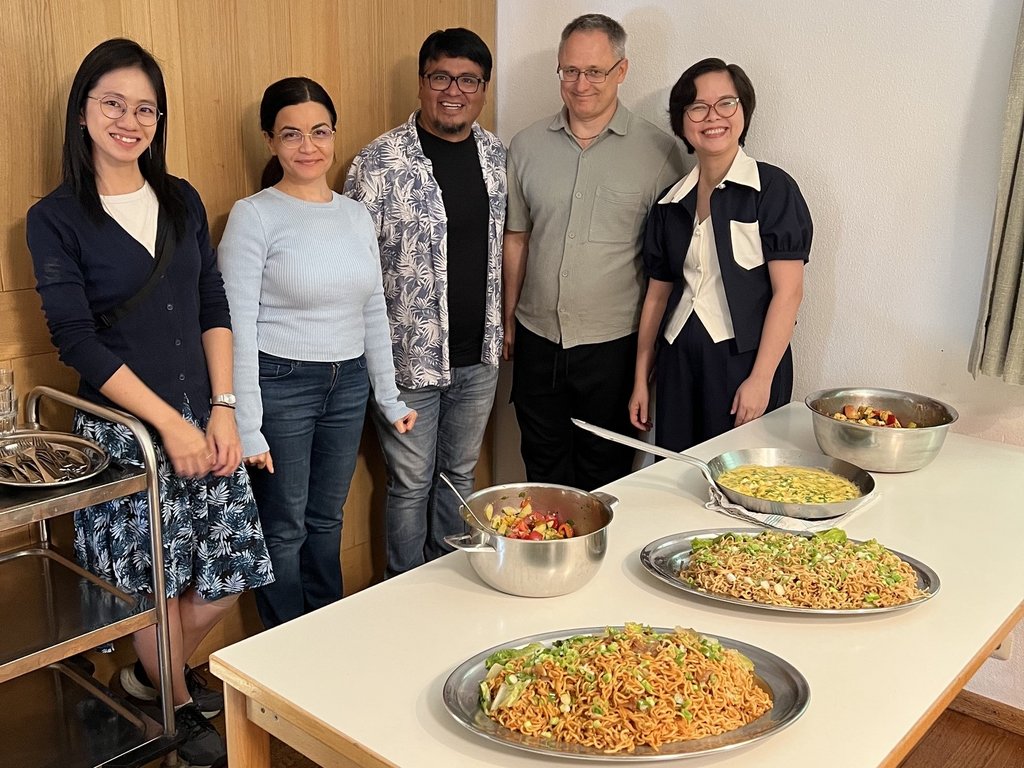
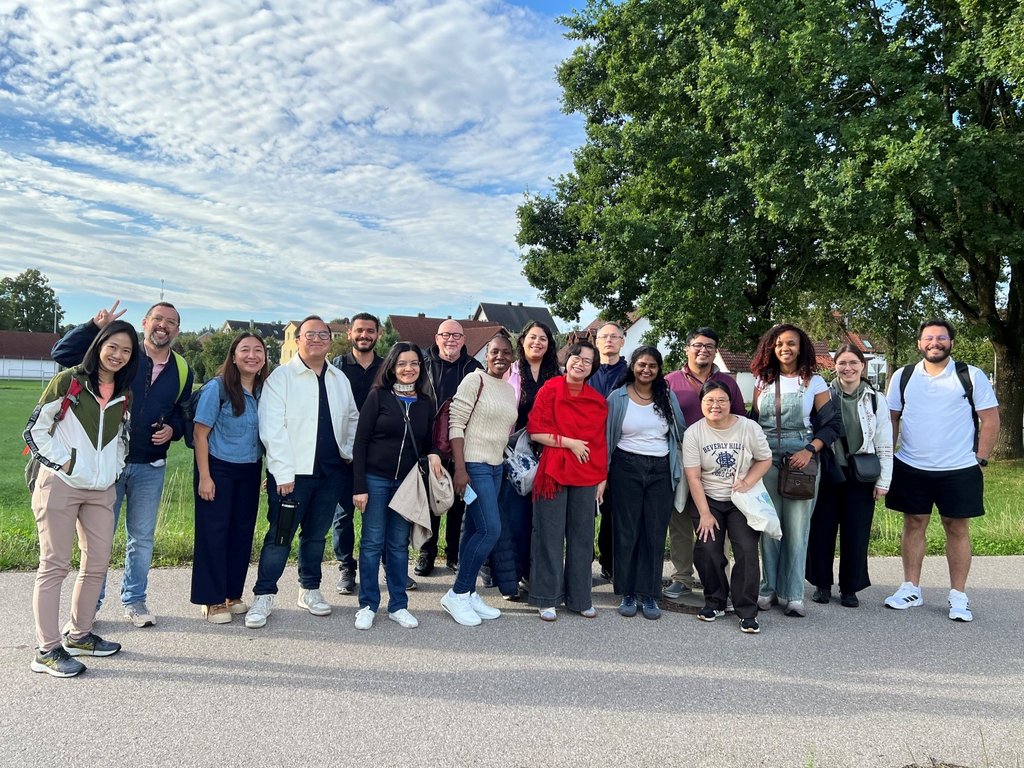
The general seminar “Craft and Culture: Germany and Its Beer History(ies),” which took place from September 15 to 18, 2026, in Thalhausen near Freising, explored these historical and contemporary contexts. Under the direction of Dr. Anselm Feldmann, head of the KAAD’s Asia Division, 18 current and former scholars from 16 countries explored the cultural significance of beer and the ambivalence surrounding alcohol consumption. A unique feature of the seminar was the self-catering format, through which the participants planned and prepared their meals together.
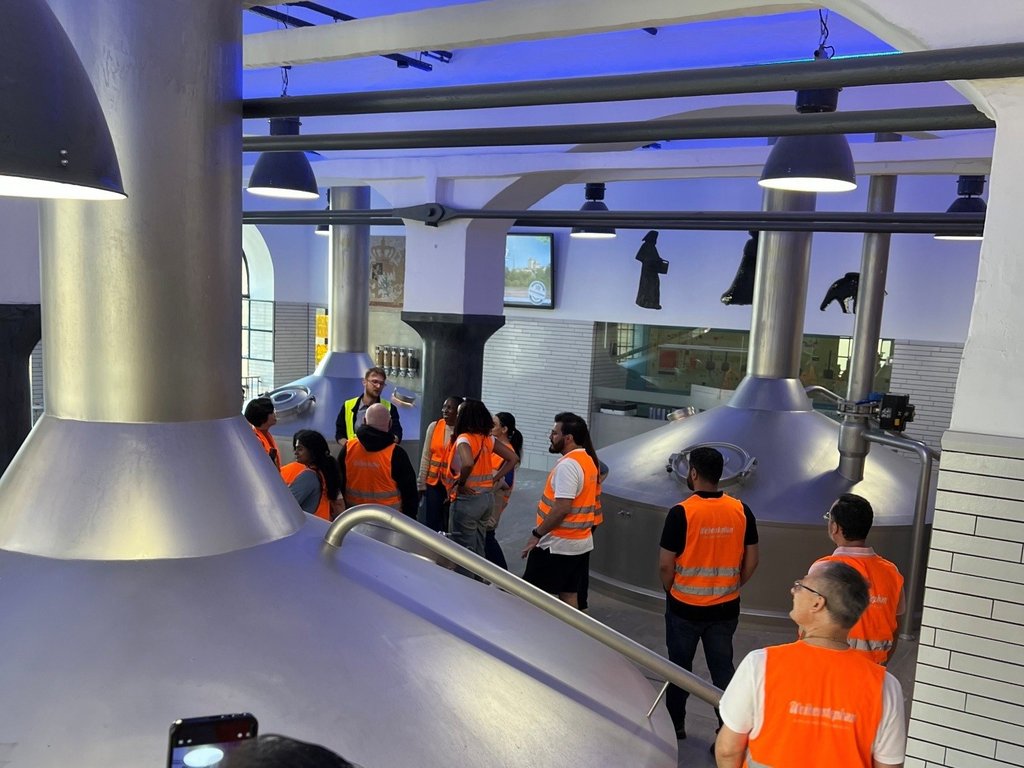
To better understand the cultural significance of beer and its social role in Germany, the participants first explored the craft of brewing and its historical context. During a guided tour of the Weihenstephan State Brewery, they gained insights into the brewing process as well as the history of brewing and the brewery itself, which is considered the oldest in the world. Afterward, at the Munich Beer and Oktoberfest Museum, they traced the development of beer culture and the Oktoberfest. Using the example of brewing, they also learned how industrialization transformed a traditional craft and gave rise to new economic connections. In doing so, they considered not only the breweries themselves but also their connections to agriculture, trade, and the restaurant industry.
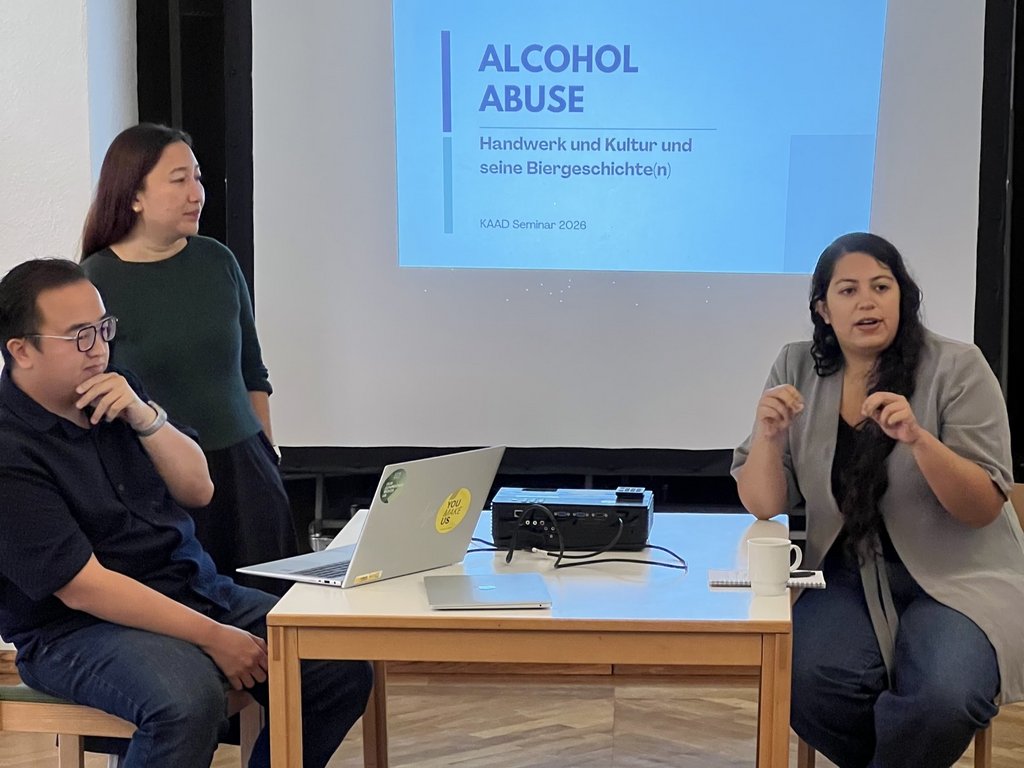
Another focus of the seminar was the role of alcohol in various social and cultural contexts, as well as the health and social risks associated with its consumption. KAADscholars Adriana Tamara Lamboglia, Manilee Lorraine Panares-Pagapula-an, and KAADscholar William Wijaya prepared a presentation and group exercises on this topic. Adriana’s research on addiction was also incorporated into the joint preparation. She is pursuing a Ph.D. in Caritas Studies at the University of Freiburg and is investigating an approach that focuses on the individual and their social relationships under conditions of social vulnerability.
Following an introduction to alcohol as a psychoactive substance, its physical effects, and the risks of consumption, the group discussed the question “Why do people drink alcohol?” while taking into account different cultural habits and meanings. As a central component of the session, the three facilitators led an interactive exercise based on everyday situations involving alcohol consumption. The examples served to discuss reasons for drinking and the influence of the social and cultural environment. The group also explored when alcohol consumption becomes problematic and what options exist for addressing it.
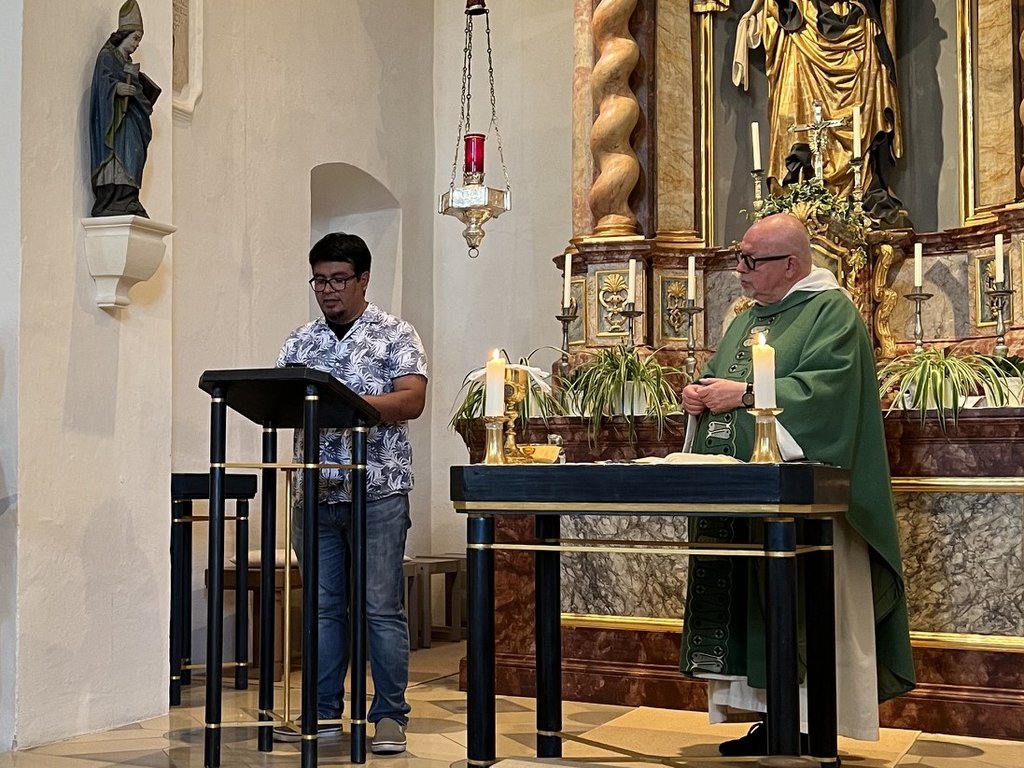
The seminar was spiritually guided by Fr. Prof. Dr. Ulrich Engel, OP. The program also included a worship service in the church of the St. Anna Youth Center, prepared jointly by the participants, as well as a guided tour of Freising Cathedral, during which the group learned about the legend of St. Corbinian. According to tradition, a bear killed Korbinian’s pack animal during a journey and was thereafter forced to carry his luggage. The story provided a spiritual perspective on the question of how people cope with burdens. Accepting the situation and transforming it into something positive over the long term can be liberating. Alcohol addiction is often the opposite: the short-term escape from stress and difficult experiences can lead deeper and deeper into crisis.
Engaging with other everyday cultures also involves asking which habits one adopts and which ones one questions. Viewing what is supposedly “typically German” from different cultural perspectives, in particular, encourages reflection on one’s own assumptions and is an integral part of intercultural learning at KAAD.
KAAD Seminar: Craftsmanship and Culture: Germany and Its Beer History(ies)
|
Aktuelles, Seminare
Beer is regarded worldwide as a quintessentially German beverage. But behind this image lies more than just a long tradition of brewing: the history of beer is also a history of craftsmanship, culture, the economy, and society.